Table of Contents
Introduction: dell laptop keyboard not working Issues
A Dell laptop keyboard that quits on you kills your workflow. Keys stop registering. Or the whole thing falls silent. Simple tasks turn into big hassles. Most Dell keyboard issues come from software bugs or quick fixes. Not serious hardware damage. You can fix it in under an hour with basic steps. Use this guide to check and repair it step by step. It covers fast tests to deeper fixes. Get back to typing fast.
A stuck Dell keyboard feels like a dead end. Did a recent update cause a software glitch? Or has hardware worn out over time? Issues fall into two groups. Software covers drivers and settings. Hardware means loose wires or breaks. Good news: over 70% fix with easy software changes. Dell reports back this up. Start simple to find the cause quick. This cuts time before harder steps.
Quick First Checks to Fix It Right Away
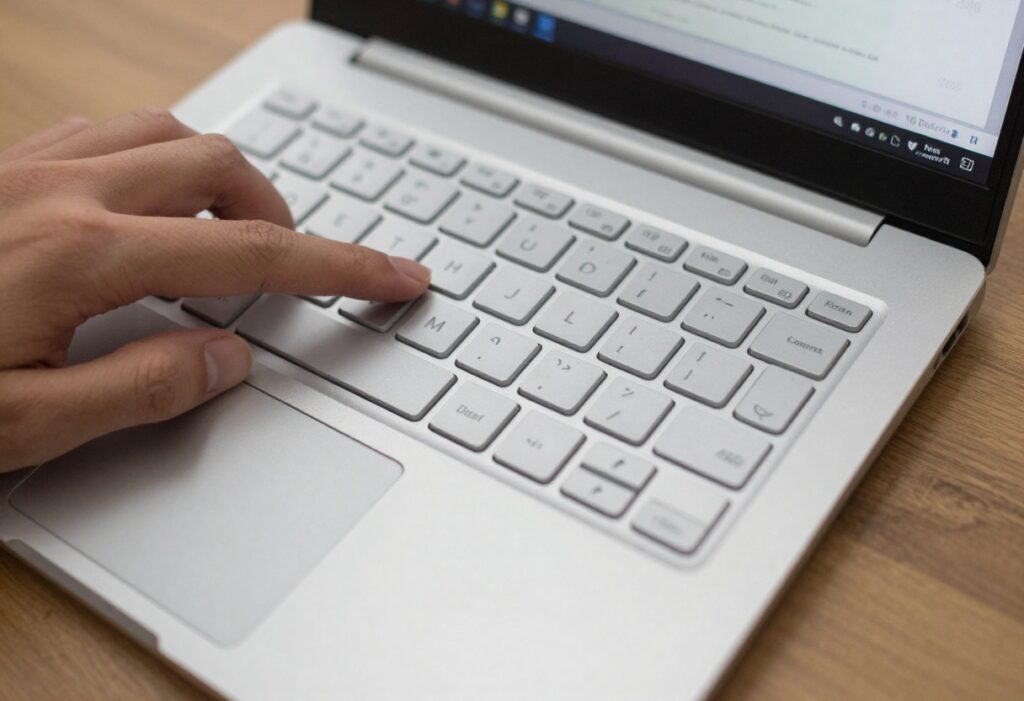
Grime under keys blocks presses. Push each key hard. If some work and others don’t, clean the top. Disconnect any outside keyboard or USB hub from your Dell. They mess with the built-in one. Restart the laptop now. A reboot clears most short glitches. Test keys soon after startup. If they work, it was just a software snag.
Figure Out When It Began
Recall when keys last worked fine. Did Windows update a few days back? Or did liquid spill close by? New programs or drops spark failures too. Jot down these facts. They steer your fixes. Say symptoms hit after an update. Check software first. This narrows choices and speeds repairs.
Section 1: Software Fixes – Your Best Start
Software problems lead Dell keyboard troubles. Old drivers or clashing settings skip key presses. Hit these before hardware checks. Most use Windows tools. No extra files needed. Try steps in order for top results.
Update or Reinstall Keyboard Drivers
Drivers connect keyboard to Windows. Bad ones stop input. Open Device Manager. Right-click Start button. Pick it. Open “Keyboards.” Spot your Dell entry. Right-click. Select “Update driver.” Choose “Search automatically.” Windows grabs the newest one. No luck? Use “Roll Back Driver” for fresh installs. Last try: “Uninstall device.” Restart. Windows loads it new. This fixes 40% of driver issues on Dell laptops.
Check Windows Sticky Keys and Filter Keys
Access tools can trap keys by error. Sticky Keys holds repeats. Filter Keys skips quick taps. They act like a bad keyboard. Hit Windows key + I for Settings. Pick “Ease of Access,” then “Keyboard.” Switch off Sticky Keys, Filter Keys, Toggle Keys. Test your Dell keys now. If they click, a wrong switch did it. Turn off Mouse Keys too. It pulls focus from real keys.
Run System File Checker and DISM
Bad files mess with hardware like keyboards. Fix them in Command Prompt. Search “cmd.” Right-click. Run as admin. Type sfc /scannow. Hit Enter. Let it scan and mend files. Still bad? Run DISM. Type DISM /Online /Cleanup-Image /Restore Health. It grabs good files from Microsoft. Restart after. These clear Windows faults that jam Dell keyboard input.
Section 2: Essential Dell Diagnostics and BIOS Checks
Dell laptops have built-in tools to test hardware-software links. Use these for deeper insights. They catch issues hidden from standard Windows views. Start here if software steps fail.
Utilizing the Dell ePSA Pre-Boot System Assessment
ePSA checks components before Windows loads. It spots keyboard hardware faults early. Restart your Dell and tap F12 repeatedly at the Dell logo. Select “Diagnostics” from the boot menu. The tool runs tests on input devices. Look for error codes like 2000-0142, which flag keyboard failures. If it passes, software is the culprit. Note any alerts; they guide Dell support calls. This pre-boot scan takes about 15 minutes and confirms if your keyboard needs physical repair.
Checking Keyboard Status in the BIOS/UEFI Setup
BIOS tests basic hardware without OS interference. Enter it on startup. Tap F2 as the Dell logo appears. Navigate menus with arrow keys—if they work here, the physical keyboard is fine. Go to “System Configuration” or “Integrated Devices.” Check for keyboard enable options; ensure it’s active. Save and exit with F10. If keys fail in BIOS, hardware damage is likely. This isolates OS versus firmware problems quickly.
Disabling Keyboard Fast Startup in Power Settings
Fast Startup speeds boots but skips full hardware resets. It can leave your Dell keyboard unresponsive post-shutdown. Open Control Panel and search for “Power Options.” Click “Choose what the power buttons do.” Select “Change settings that are currently unavailable.” Uncheck “Turn on fast startup.” Save changes and restart. Test keyboard input after. This tweak fixes boot-time glitches in 25% of similar cases.
Section 3: Addressing Hardware Conflicts and External Factors
Physical elements often play a role in Dell laptop keyboard not working scenarios. External devices or buildup can disrupt signals. Inspect these next to rule out simple conflicts.
Disconnecting All External USB Devices
USB peripherals sometimes override built-in keyboards. A gamepad or extra mouse might grab input focus. Unplug every USB item from your Dell. Restart and test the keyboard alone. If it works, reconnect one by one to find the offender. Update drivers for any conflicting devices. This clears port-sharing issues without tools.
Checking for Liquid Damage or Debris Under Keys
Keys clog from spills or dust buildup. Spot sticky areas or crumbs. Shut down your laptop first. Blast debris with canned air. For stains, wet a cloth in rubbing alcohol and wipe lightly. Never soak the keys; too much liquid causes harm. Allow 30 minutes to dry before use. Under warranty? Skip taking it apart—call Dell. Simple cleans like these fix keys in dusty spots.
Verifying Laptop Temperature and Cooling Performance
Heat buildup triggers safety shutdowns on inputs. Overheating protects components but freezes your keyboard. Feel the Dell’s base; if hot, check vents for blockages. Use Task Manager (Ctrl + Shift + Esc) to monitor CPU usage. Clean fans with air if dust clogs them. Install free tools like HWMonitor for temp readings—aim under 80°C during use. Cool it down and retry keys. This prevents thermal throttling from mimicking failures.
Section 4: Advanced Troubleshooting and Workarounds
Stubborn problems need extra steps. These offer temp fixes and deep dives. Use them when basics fall short.
Using the On-Screen Keyboard (OSK) for Temporary Input
OSK lets you navigate without physical keys. Search for “osk” in the Start menu and launch it. Click virtual keys to open settings or run commands. Pin it to the taskbar for easy access. This workaround helps back up files or update drivers during repairs. It’s a lifesaver for full keyboard blackouts on your Dell.
The Impact of the Last Windows Update
Updates patch bugs but occasionally break hardware support. If your keyboard quit after one, roll it back. Go to Settings > Update & Security > Windows Update > View update history. Click “Uninstall updates.” Select the latest feature or quality update. Restart and test. Check Dell’s site for compatible drivers post-removal. This reverses update-induced glitches.
Testing the Keyboard in Safe Mode
Safe Mode loads only core drivers. It isolates app conflicts. Restart while holding Shift, then pick Troubleshoot > Advanced options > Startup Settings > Restart. Choose option 4 for Safe Mode. Test keys there. If they work, a third-party program causes issues—uninstall recent apps. Boot normally after. This pins down software culprits fast.
Conclusion: Last Steps and Pro Repair Time
You have tried a wide set of fixes for your Dell laptop keyboard glitch. Begin with software changes like driver updates and settings reviews. They solve most issues. Shift to diagnostics and hardware checks if problems last. Constant failures signal worn parts or major defects. Note what succeeds. It helps avoid future trouble.
Keys that still fail after these steps point to hardware. Watch for BIOS errors or ePSA faults. Skip forced fixes. They may void your warranty. Reach Dell support through their site or app. Input your service tag for custom help.
Key Takeaways for Quick Reference
- Update keyboard drivers through Device Manager for fast software fixes.
- Run ePSA diagnostics on boot to confirm hardware status.
- Clean keys and disconnect USBs to eliminate physical interferences.
Options for Dell Warranty Service and Keyboard Replacement
Visit Dell’s support site and enter your model’s service tag to check warranty. Free repairs apply if it’s covered. Out of warranty, parts cost $100 to $300. Book a tech visit or order parts online. Pick approved repair shops for quick jobs. Repairs stay safe and solid that way.
dell laptop keyboard not working Issues dell laptop keyboard not working Problem dell laptop keyboard not working Issues dell laptop keyboard not working Issues dell laptop keyboard not working Issues dell laptop keyboard not working Issues dell laptop keyboard not working Issues dell laptop keyboard not working Issues dell laptop keyboard not working Issues dell laptop keyboard not working Issues dell laptop keyboard not working Issues dell laptop keyboard not working Issues
dell laptop keyboard not working Issues dell laptop keyboard not working Issues dell laptop keyboard not working Issues dell laptop keyboard not working Issues dell laptop keyboard not working Issues dell laptop keyboard not working Issues dell laptop keyboard not working Issues dell laptop keyboard not working Issues dell laptop keyboard not working Issues dell laptop keyboard not working Issues dell laptop keyboard not working Issues dell laptop keyboard not working Issues